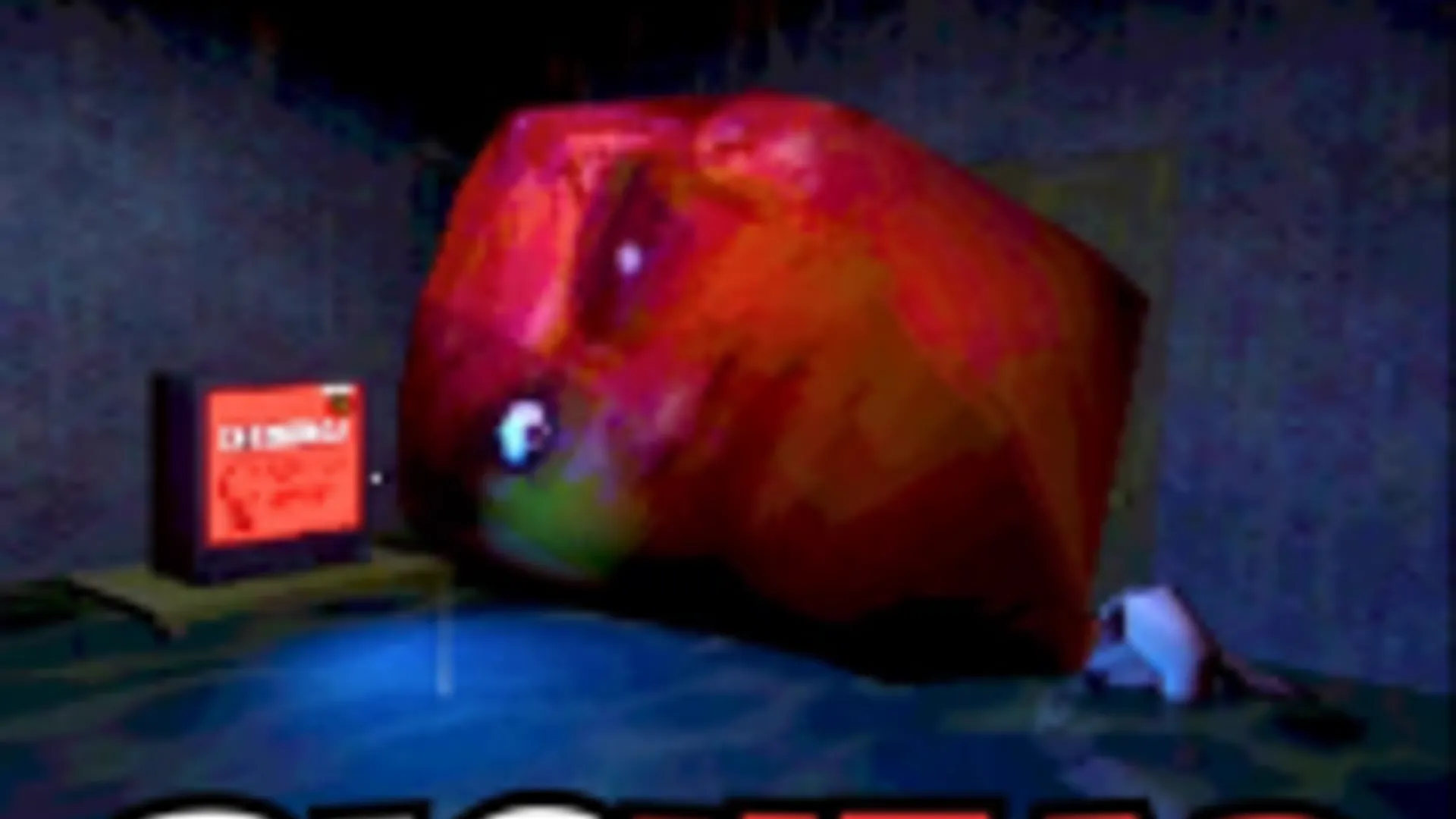
Bighead is a surreal biological horror game that turns a quiet night at home into something deeply wrong. You're settled in with your partner, Roman, trying to enjoy an ordinary evening — until Roman comes down with an ailment that makes his head swell at an impossible rate. In Bighead, the absurd and the unsettling arrive hand in hand, mixing body horror with a deadpan comedy that keeps you off balance.
The appeal of Bighead is in the contrast. The apartment you know starts rewriting its own geometry: ceilings open into void, floors fold into angles that shouldn't exist, and the familiar becomes threatening. It's a "weird fiction" take on horror that cares more about mood and meaning than about traditional scares. Bighead never shows its hand too early, which is why the dread compounds.
In Bighead, the premise is deliberately small. You're at home, Roman is changing, and the task in front of you is to slow it down — fetch medical supplies, keep him calm, and hold the situation together as the rooms around you stop making sense. Bighead handles the transformation with a disturbing blend of tenderness and grotesque detail, so you end up caring about a character who is literally outgrowing the world.
Underneath its absurdity, Bighead hides a sharper comment on healthcare anxiety and the strain a crisis puts on a relationship. The surreal visuals stop the horror from feeling generic, and the image of that growing head stays with you long after the session ends.
Bighead is built on exploration and environmental navigation inside a space that is actively warping. Your loop is to move through the shifting floor plan, gather the supplies that slow Roman's condition, and manage his deteriorating state while the walls close in. In Bighead, the rooms themselves are the antagonist, and a limited field of view makes even simple errands feel claustrophobic.
In Bighead, success comes from staying methodical. Watch for lighting shifts and structural changes that signal the next turn of the house, and time your supply runs around the peak growth phases rather than pushing through blindly.
Bighead is the kind of strange, memorable horror that's best played on a whim, with no setup in the way. Right here you can play it free, instantly, and with no install or sign-up — just open the frame and let the apartment come apart. Bighead rewards a second run, because the endings you miss the first time change how the whole night reads. It loads fast and keeps your place in the session, so you can dip in for one unsettling evening or chase a different ending whenever the mood strikes. If you like horror that's more curious than graphic, give Roman a hand and see how far the night goes. Bighead stays with you because it's as funny as it is frightening.