STATUS: ACTIVE // VETERAN GAMER REVIEW
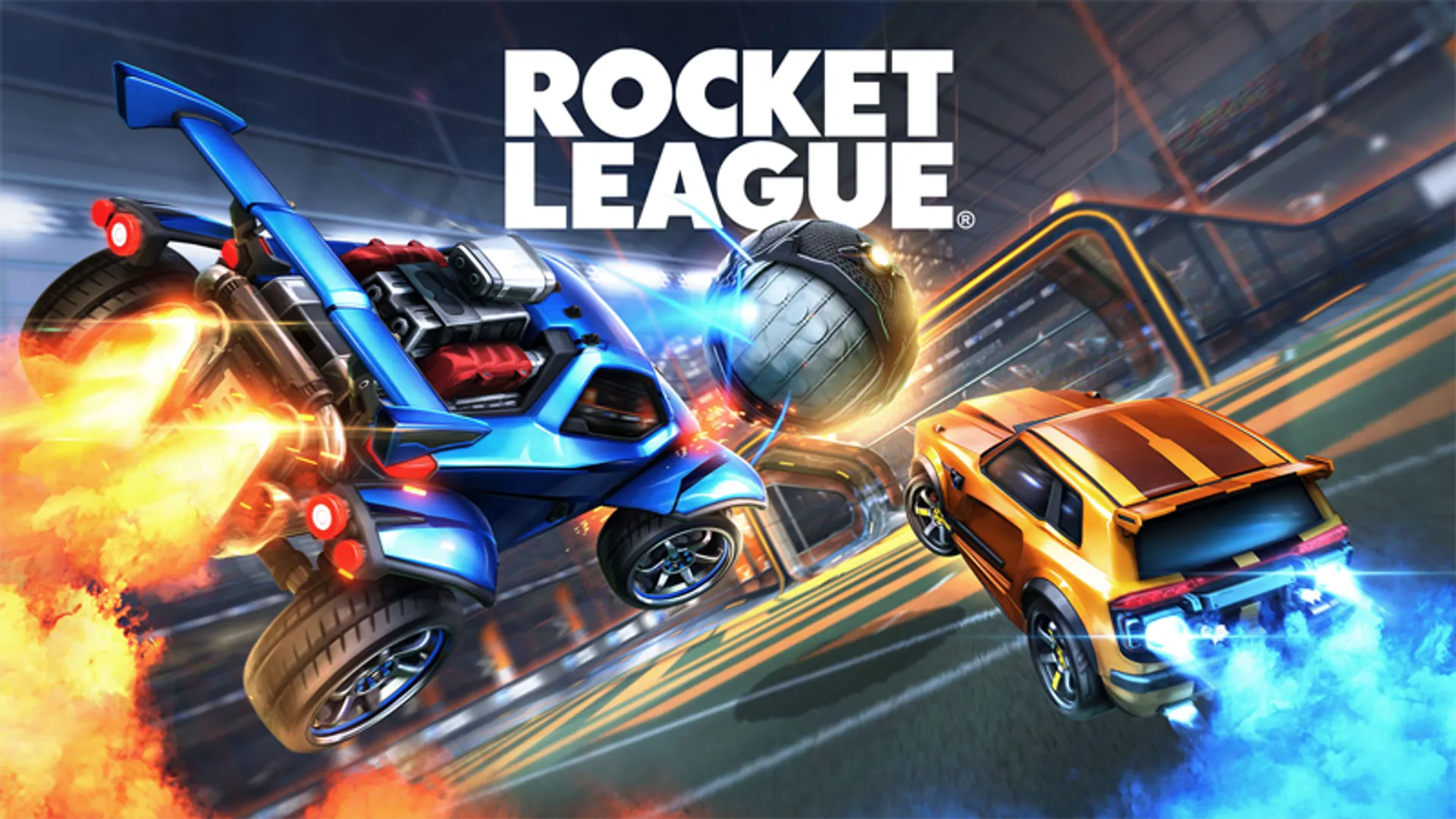
It is incredibly rare for a single video game to completely redefine an entire competitive genre, but that is exactly what happened when Rocket League crashed onto the esports scene. Developed by the visionary team at Psyonix, Rocket League achieved the impossible by seamlessly combining the deep tactical strategy of traditional soccer with the high-octane thrill of extreme arcade racing. Instead of controlling human athletes on a pitch, players in Rocket League are thrown into the driver's seat of fully customizable, rocket-powered cars. The objective is elegantly simple on paper but incredibly difficult to execute in practice: hit a massive, oversized ball into your opponent’s goal before the clock runs out.
What sets Rocket League completely apart from standard sports titles is its uncompromising reliance on physics-based gameplay. Every single movement, collision, and aerial maneuver feels incredibly natural and responsive. When you boost your car into the ball in Rocket League, the trajectory is calculated with rigorous precision based on your speed, angle of impact, and rotational momentum. There is zero reliance on random number generation or auto-aiming assists here; every stunning goal scored and every desperate save made is a direct result of pure mechanical skill and practice.
The skill ceiling in this game is notoriously high, and the journey from a beginner to an advanced player is defined entirely by your mastery of aerial car control. In the lower ranks of Rocket League, matches are mostly chaotic ground scrambles where players chase the ball endlessly. However, as you climb the competitive ladder in Rocket League, the meta shifts dramatically towards the sky. You learn to tilt your car backward, ignite your rear thrusters, and literally launch yourself into the air to intercept passes or execute devastating aerial strikes.
Proper resource management is the silent killer in high-Elo matches. Your vehicle relies on a limited supply of nitrous boost, which can be replenished by driving over specific glowing pads scattered across the arena. Efficient players in Rocket League constantly map optimal rotation paths that naturally collect these boost pads without taking themselves out of the play. Running completely out of boost while trying to defend an aggressive push is a guaranteed way to concede a point, making resource awareness an essential fundamental skill.
If you try to solo carry a 3v3 match, you will get dismantled by any competent opposing team. Success in Rocket League requires constant, unspoken communication and strict rotational discipline. You cannot have all three players committing to an offensive strike; someone must remain centered on defense to anticipate unpredictable rebounds and fast breaks. Mastering these team rotations in Rocket League ensures that your squad maintains constant offensive pressure without leaving your own net horribly exposed.
Beyond the core mechanics, the sheer amount of personalization available to players is staggering. The garage system in Rocket League allows you to tweak almost every visual aspect of your vehicle, from unlocking sleek new car bodies to applying animated decals and equipping flashy exhaust trails. While none of these cosmetic items provide a tangible gameplay advantage, the ability to completely personalize your ride adds a fantastic layer of identity to your profile. Furthermore, the seamless cross-platform play functionality in Rocket League means that the community is massive and highly active, allowing PC, PlayStation, Xbox, and Switch players to easily party up and compete together in the exact same matchmaking lobbies.
The developers have also continuously supported the title through special seasonal events and limited-time game modes. From playing ice hockey with a giant puck to engaging in intense basketball-style hoops matches, these alternative modes in Rocket League provide a perfect, low-stress environment for players looking to take a break from the grueling ranked grind. This commitment to variety ensures that the gameplay loop never feels stagnant, even after thousands of hours of playtime.
It is impossible to discuss this phenomenal game without acknowledging its profound impact on the global esports landscape. The Rocket League Championship Series (RLCS) draws millions of passionate fans who tune in specifically to watch professional organizations perform seemingly impossible mechanical feats. Watching these top-tier athletes execute perfectly synchronized passing plays or read complex wall-bounces inspires the casual player base to hit the training modes and practice their own mechanics. Rocket League is a beautiful spectator sport because its core rules are universally understood, yet its execution requires supernatural reflexes.
At the end of the day, whether you are a complete beginner just trying to reliably hit the ball or a seasoned veteran chasing the elusive Supersonic Legend rank, Rocket League delivers an experience unlike anything else on the market. It perfectly threads the needle between accessibility and infinite depth, challenging players to constantly think faster and drive smarter. If you have somehow missed out on this hybrid sports phenomenon, you owe it to yourself to jump into the arena. Start your engines, prepare for kickoff, and see if you have what it takes to conquer the chaotic world of Rocket League.