"In Animal Craft, survival isn't just about crafting tools; it's about understanding the delicate balance of the wild and carving your own kingdom out of the blocky wilderness."
I’ve spent thousands of hours in Minecraft and ARK, but Animal Craft offers a refreshing, streamlined take on the sandbox survival genre that is perfect for those who love animal-focused exploration. This isn't just about building a house; it’s about interacting with a diverse ecosystem of blocky creatures and learning how to thrive in a world that is as beautiful as it is dangerous. As a veteran of survival sims, I can say that Animal Craft captures that "just one more block" feeling perfectly.
The brilliance of this experience lies in its accessibility combined with deep progression. You start with nothing but your hands and a vast, open world. Through gathering resources, crafting essential tools, and taming wild animals, you gradually become the master of your environment. It’s a game that rewards patience, creativity, and a genuine curiosity about the natural world in Animal Craft.
The heart of the game is the crafting system. To survive the nights and explore deeper into the wild, you must learn to combine raw materials into useful items. From basic wooden tools to advanced building materials, the progression is intuitive but rewarding. In Animal Craft, your ability to craft is directly tied to your survival—every new tool you unlock opens up a new part of the world.
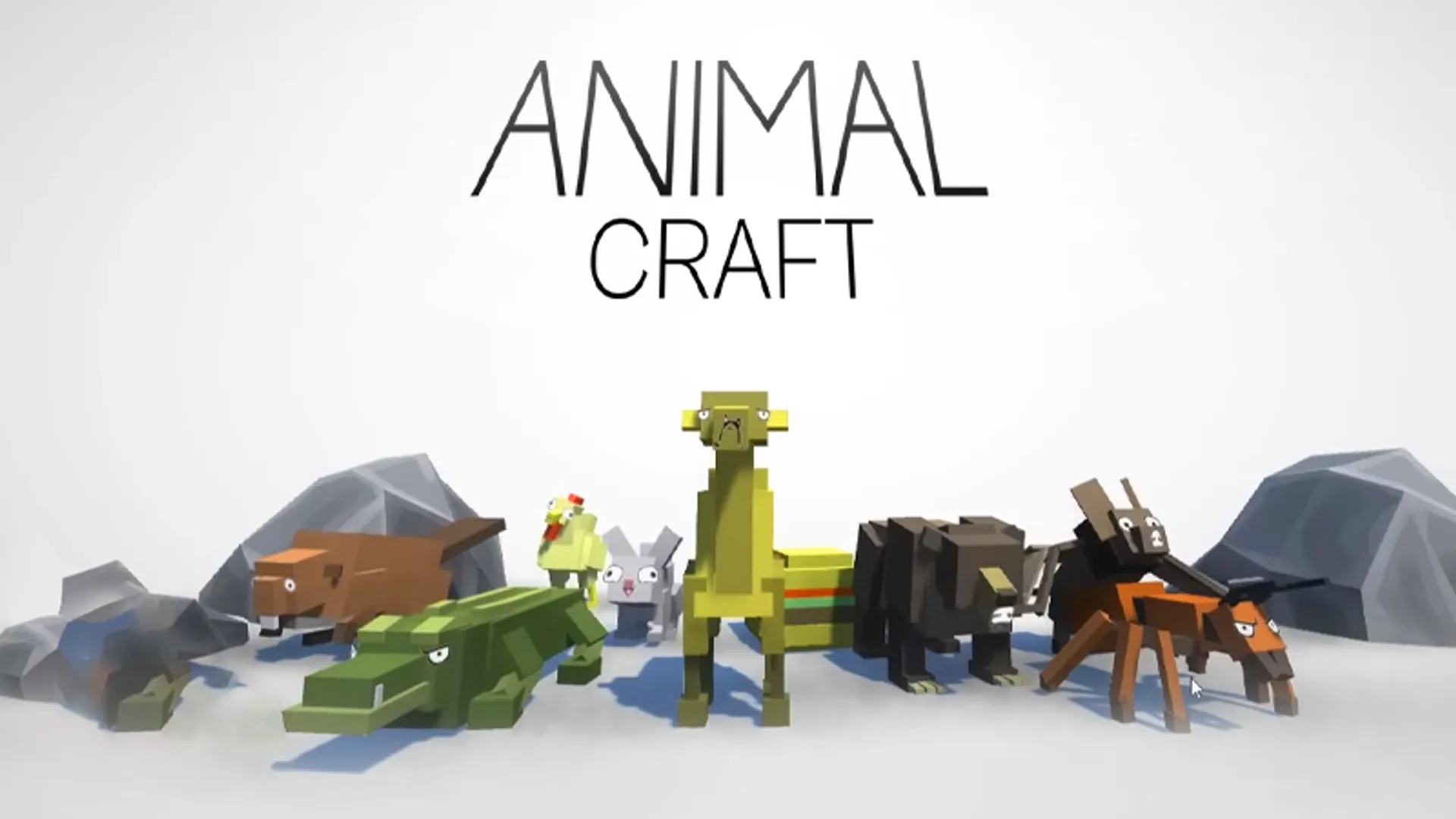
What sets this title apart is the focus on its creatures. You don't just hunt for food; you can also tame and even ride various animals to help you on your quest. Learning the favorite foods and behaviors of each species is essential for building your own animal kingdom. I’ve found that a tamed wolf is a much better companion in Animal Craft than any sword.
For those looking to build mega-bases, you need to master "Sector Building." Instead of building one giant structure, create smaller, specialized sectors for farming, crafting, and animal pens. This is a veteran strategy that minimizes travel time within your base and ensures that your resource production is as efficient as possible in Animal Craft.
Another advanced meta involves "Biomes-Hopping." Different biomes offer unique resources and animals. I recommend setting up small outposts at the borders of different biomes. This allows you to quickly harvest rare materials from one area and return to your main base without the long trek. A true master knows exactly where to find every block in Animal Craft.
Ultimately, this experience is about balance. You need to gather enough to survive, but you also need to respect the environment that provides for you. The most successful players are those who learn to work with the wild, rather than just against it in Animal Craft. Stay creative, stay curious, and you'll thrive.
The visual style is a beautiful, high-fidelity take on the blocky aesthetic. The lighting system, in particular, adds a level of depth and atmosphere that makes exploring the world a joy. Seeing the sunset over your farm is a reward in itself after a hard day of resource gathering in Animal Craft.
The sound design is equally immersive, with a relaxing soundtrack and realistic animal sounds that bring the wilderness to life. As a gamer who values both creativity and survival challenge, I find that Animal Craft offers a perfect balance. It’s a world where you can be a humble farmer or a bold explorer, all within the same save file.
If you enjoy games that combine the freedom of a sandbox with the challenge of survival, Animal Craft is a top-tier choice. It’s a charming, deep, and endlessly creative experience that will keep you hooked for hours. Are you ready to take your first steps into the wilderness and build your own empire in Animal Craft?