STATUS: ACTIVE // VETERAN GAMER REVIEW
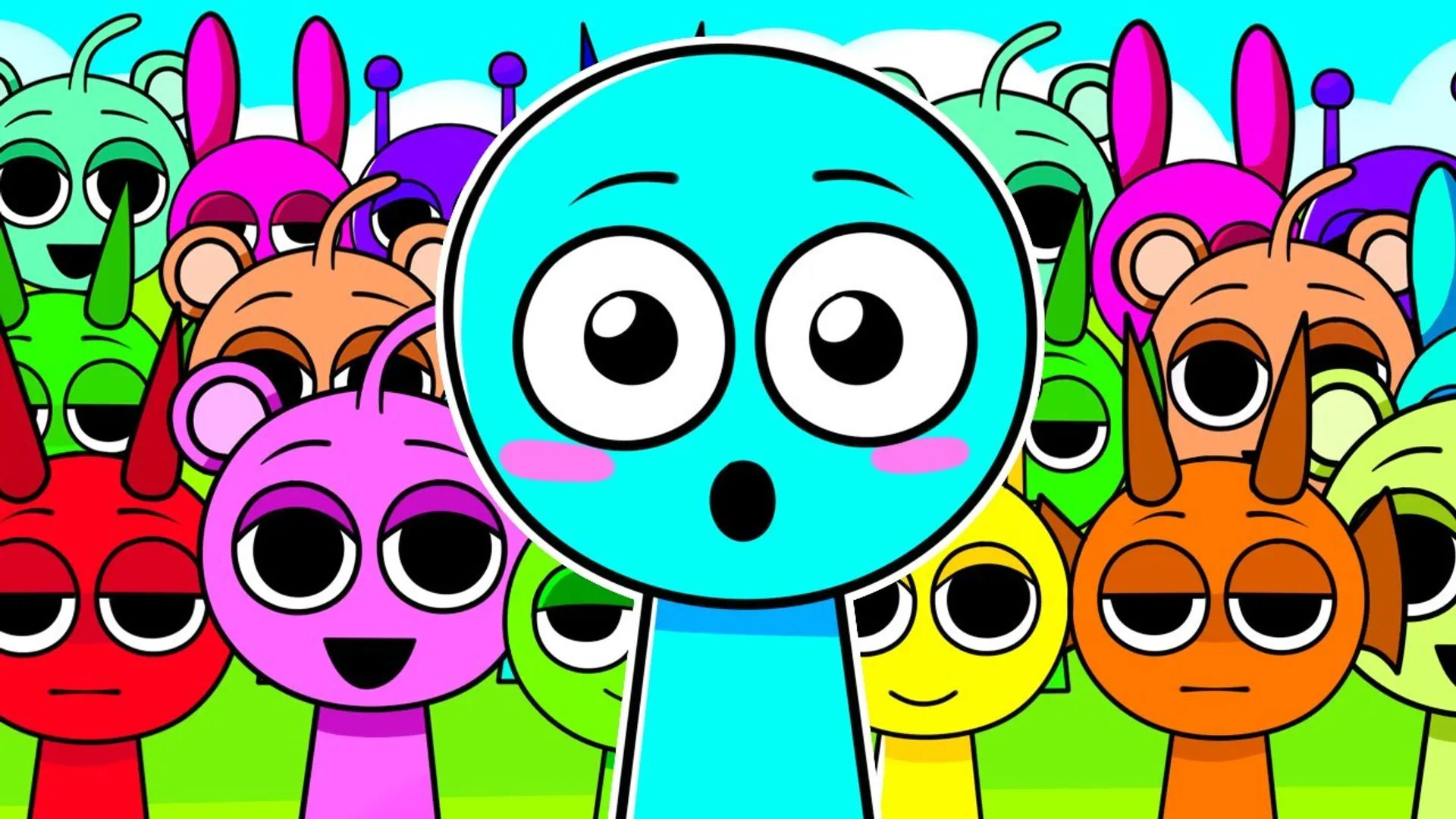
The music sandbox genre has always struggled to find the perfect balance between accessibility for non-musicians and depth for experienced producers. Sprunki elegantly solves this problem by gamifying the entire composition process through a highly intuitive, incredibly charming drag-and-drop interface. At first glance, Sprunki appears to be a simple, colorful toy designed to keep you mildly entertained for a few minutes. You are presented with a blank canvas and a roster of bizarre, brightly colored characters, each representing a unique stem of a musical track—a drum beat, a bassline, a vocal melody, or a synth pad. By dragging these characters onto the main stage, you instantly layer their respective sounds, creating complex, polyphonic beats with zero understanding of music theory required. However, the true brilliance of Sprunki lies just beneath this cheerful surface. What begins as a fun, creative experiment in Sprunki rapidly evolves into a surprisingly robust beat-making studio, and for those who dig deep enough, a deeply unsettling psychological horror experience.
The primary hook that draws players into Sprunki is the frictionless nature of its musical creation. Unlike traditional Digital Audio Workstations (DAWs) that require hours of tutorials just to produce a simple loop, Sprunki gives you instant gratification. Every single sound bite produced by the characters in Sprunki is perfectly quantized and pitch-corrected to harmonize with one another. This means it is mathematically impossible to create a "bad" or off-key song in Sprunki.
However, the secondary—and far more potent—hook of Sprunki is its infamous hidden horror mode. The game lulls you into a false sense of security with its pastel aesthetics and upbeat electronic music. But as you experiment with specific combinations of characters, or drag a specific, ominously colored hat onto a character in Sprunki, the entire atmosphere of the game violently shifts.
The bright colors invert, the cheerful animations distort into grotesque, body-horror caricatures, and the upbeat music you were just composing in Sprunki instantly warps into a dissonant, terrifying soundscape of reversed vocals, industrial grinding, and heavy, oppressive bass. This sudden, unprompted genre shift transforms Sprunki from a simple music toy into an interactive creepypasta. The tension of never knowing exactly which combination of cute characters will trigger the descent into madness makes exploring the mechanics of Sprunki an incredibly suspenseful experience.
The core gameplay loop of Sprunki revolves around the manipulation of its unique character-based stems. Each character acts as a dedicated audio track in a live-mixing environment.
In Sprunki, the characters are categorized by their sonic roles: percussion, bass, melody, and vocals. To construct a beat, you must drag these characters from the bottom roster onto the seven available slots on the main stage. The genius of Sprunki is in its visual feedback. When a character is actively producing sound, they perform a specific, rhythmic animation. This allows you to visually map out the complex polyrhythms you are creating. If the bassline feels too muddy in Sprunki, you simply look for the character doing the heavy, bouncing animation and drag them off the stage to instantly mute their track. This visual-audio synergy makes the process of live mixing in Sprunki incredibly tactile and satisfying.
While you can randomly throw characters onto the stage to create a chaotic mix, the intended progression system in Sprunki involves finding specific, developer-intended combinations. The characters are designed to interact with one another.
Key Insight:If you manage to figure out the correct sequence of seven characters that form a perfect, harmonious composition in Sprunki, the game rewards you by triggering a special, full-screen animated music video. These choruses represent the "win state" of the game. However, finding them requires you to actively listen to the subtle audio cues provided by each stem. You must learn which synth pad complements which vocal harmony in Sprunki, encouraging a surprisingly deep level of critical listening and audio analysis from the player.
Furthermore, discovering these combinations in the normal mode of Sprunki often provides clues for how to unlock the hidden, terrifying animations in the horror mode. The game constantly teases you with brief, static glitches or distorted sound files, daring you to dig deeper into the darker side of the engine.
While Sprunki does not require fast reflexes in the traditional gaming sense, using it as a live performance tool requires significant practice. Advanced players of Sprunki do not simply populate the stage and let the loop play out endlessly.
Once you have mastered the live performance aspect of Sprunki, the game features a built-in recording suite. This allows you to capture your live mixes and generate a unique URL to share your composition with the community. The competitive aspect of Sprunki revolves around creating the most complex, sonically pleasing, or utterly terrifying mixes possible using the limited tools provided by the character roster.
The aesthetic duality of Sprunki is its greatest triumph. The "normal" mode is a masterclass in modern, vector-based cute art. The animations are incredibly smooth, and the characters exude personality through their subtle idle movements. The color palette is bright, inviting, and heavily saturated. The music in this mode of Sprunki is genuinely fantastic, featuring catchy, professional-grade electronic beats that will stay stuck in your head for days.
Conversely, the horror mode in Sprunki is genuinely unsettling. The developers fully understand the concept of "uncanny valley." By twisting the previously cute characters into glitching, bloody, and contorted monstrosities, Sprunki creates a profound sense of unease. The audio design in this mode is oppressive and heavy, relying on sub-bass frequencies and reversed audio masking.
The dopamine hit in Sprunki comes from the act of creation. Hearing a complex beat finally click into place after minutes of experimenting with different character combinations is incredibly rewarding. It provides the pure, unfiltered joy of musical composition without the frustrating technical barriers usually associated with music production software.
Sprunki is a remarkably unique title that manages to be both a relaxing creative sandbox and a surprisingly tense horror experience. It completely democratizes music production, allowing literally anyone to create complex, professional-sounding electronic beats simply by dragging and dropping colorful characters.
If you have absolutely no musical background but have always wanted to create your own beats, Sprunki is the perfect entry point. It is highly intuitive, deeply satisfying, and completely frictionless. However, players who are sensitive to sudden jump scares, flashing lights, or disturbing imagery should proceed with extreme caution, as the hidden horror mechanics in Sprunki are not for the faint of heart. For everyone else, this bizarre, musical creepypasta is an absolute must-play.
To trigger the secret horror mode in Sprunki, you must locate the specific "cursed" character stem (usually hidden in the UI or requiring a specific drag-and-drop sequence) and place it onto the active stage. This immediately shifts the game's visuals and audio into a dark, unsettling aesthetic.
Layering specific character stems in Sprunki unlocks hidden animations and vocal choruses. For example, combining the primary beatboxer with the lead synth and the secondary bass creates a unique harmonization sequence that isn't accessible otherwise.
While the base game of Sprunki looks incredibly cute and colorful, parents should be aware that the hidden "dark mode" contains unsettling imagery, distorted audio, and mild psychological horror elements.